Featured
Table of Contents
Media relations is where your tactical messaging satisfies the real world of journalism, deadlines, and contending stories. It's about comprehending the,, and that identify whether your story gets covered or neglected.
Understand why each practice works and what interaction concept it highlights. On examinations, you'll require to recognize which best practice applies to a given scenario and discuss the reasoning behind it. Reliable media relations rests on, the idea that organizations and publics (consisting of reporters) develop connections through repeated, mutually advantageous interactions with time.
Reporters keep in mind sources who provide precise details dependably, and they avoid sources who have actually burned them in the past. Understanding a reporter's beat, interests, and previous coverage reveals respect for their competence.
Even a short check-in or sharing an appropriate tip keeps you on a reporter's radar. Never ever try to control or determine how journalists frame their stories.
The Future of Brand Strategy By 2026
as an independent gatekeeper. Respecting that function constructs long-term reliability even more than attempting to work around it. Relationship Structure vs. Following Up: both concentrate on long-term connection, but relationship structure happens before you require coverage while follow-up nurtures connections after interactions. Strong responses demonstrate understanding of the full relationship lifecycle.
News value decays quickly, so your ability to respond quickly and anticipate deadlines directly effects whether you get covered. An everyday newspaper reporter on a 5 PM deadline works under entirely various pressure than a regular monthly magazine author.
ahead of significant occasions positions you as a prepared, reliable source who makes the reporter's task easier. with clear accessibility make sure journalists can reach somebody when deadline pressure hits. If a press reporter can't discover you, they'll find somebody else. Slow replies often imply missed out on chances, due to the fact that press reporters carry on to other sources quick.
Practical Tips for Better Media Outreach
Due dates vs. Responsiveness: comprehending deadlines is proactive (preparing your outreach around publication schedules), while responsiveness is reactive (managing incoming questions under time pressure). Both test your grasp of how time pressure shapes reporter behavior. The message building and construction phase figures out whether your pitch earns coverage or gets erased. These practices use and to create content journalists actually wish to utilize.
Believe: timeliness, effect, distance, prominence, novelty. The very same product launch gets pitched in a different way to a tech blog site versus a regional service journal.
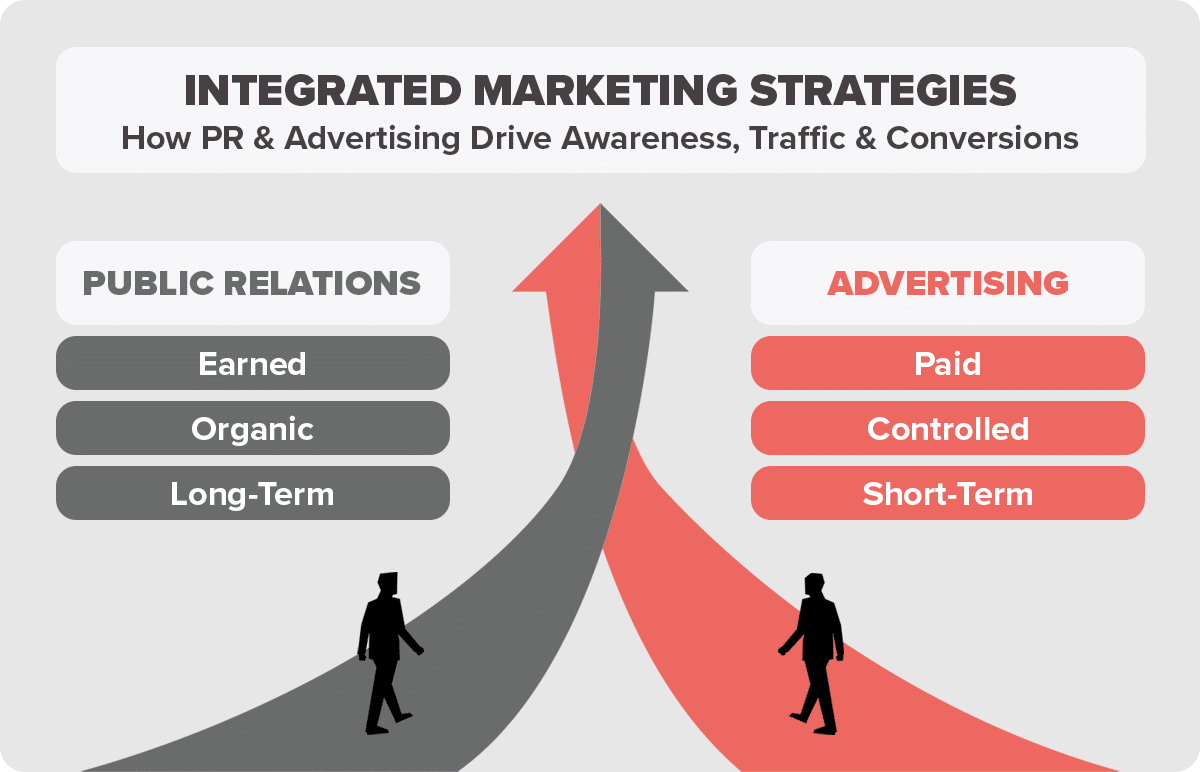
Every representative ought to be working from the same tactical foundation. through circumstance preparation prepares spokespersons for tough interviews. Consider the hardest question a press reporter could ask, then prepare for it. prevents inconsistent declarations that damage reliability. If two individuals from your organization state different things, reporters observe. covers skills like soundbite building, bridging (rerouting from a hard concern back to your crucial message), and body language awareness.
Press Releases vs. Secret Messages: press releases are external files sent out to journalists, while essential messages are internal frameworks that direct all communications. You might be asked to develop both for a single situation.
Double-check names, dates, stats, and estimates before anything goes out. If you sent inaccurate data, remedy it right away rather than hoping no one notifications.
The Role of AEO in Modern Search
Offering one reporter the story first can make you deeper, more favorable coverage. ensures exclusives serve both your goals and the journalist's need for engaging material. A special only works if the story is really worth the reporter's time. Accuracy vs. Exclusivity: both develop source credibility, but accuracy is a standard expectation while exclusivity is a relationship improvement.
Modern media relations needs, meaning you require to understand how different channels reach various audiences and require various material formats. Where does your desired audience actually take in news?
A pitch to a trade publication emphasizes industry impact; the exact same story pitched to a general paper highlights neighborhood significance.
Lots of press reporters are active on platforms like X (previously Twitter) and LinkedIn.
Is Your PR Team Ready for 2026?
Standard Media vs. Social Media: standard channels provide trustworthiness and broad reach through gatekeepers, while social media makes it possible for direct engagement but needs more active relationship upkeep. Crisis interaction is media relations under optimal pressure.
Without a strategy, organizations lose vital time figuring out the fundamentals. Who speaks to the press? Who keeps an eye on coverage?
recognizes trends in coverage tone and framing gradually. Are stories getting more negative? More positive? Why? usages keeping track of data to refine future media approaches and catch prospective concerns before they become crises. Crisis Preparation vs. Tracking: preparation is preparation for prospective issues, while monitoring is continuous intelligence event. Both feed into crisis readiness, however monitoring also informs your regular media strategy daily.
Major Benefits of Integrating AI Into PR StrategyIs Your Brand Team Prepared for 2026?
Compare and contrast the function of essential messages versus press releases. Discuss how you would use channel method principles to make the most of coverage throughout different audience sectors.

Latest Posts
Uncovering Hidden Search Trends for Professional Digital Pr
The Future of Brand Strategy By 2026
Succeeding in the Era of AEO and GEO